
9 Digital Marketing Tips for the 2026 Global Holiday Peak Season

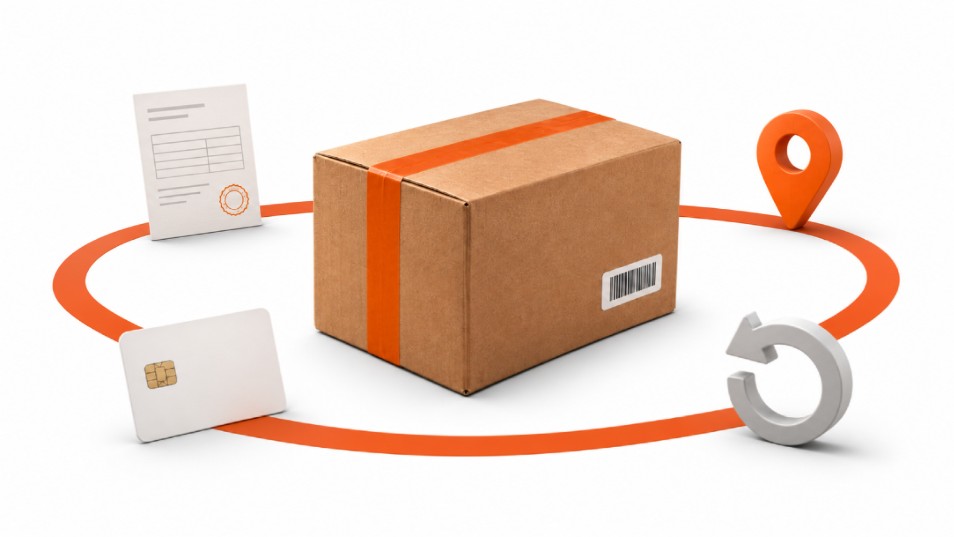
Sell online like a local this peak season
Duties included, local currencies and payments, and simple international returns.
Share
With online consumers worldwide looking to benefit from holiday promotions, the season offers an important opportunity to grow your global customer base and boost online orders.
Running campaigns that drive international traffic to your website during this busy time requires a holiday e-commerce strategy that accounts for local nuances and adapts to each market.
The Global-e DTC Digital Marketing Team have compiled nine actionable insights based on their experience managing successful campaigns across more than 25 international markets.
Use them to sharpen your global e-commerce holiday marketing for the weeks ahead.
Key takeaways
- Plan around each market’s own events. Build Singles’ Day, El Buen Fin and Boxing Day into your calendar alongside BFCM.
- Localize the creative, not just the copy. Use the local event name, match imagery to the local season, and work with local creators.
- Put delivery and returns in your ads. Show delivery cut-off dates and return options for each market. Once the cut-offs pass, test gift card ads.
- Duties now apply to almost every international gift order. “Duties included” is a strong reassurance message.
- Keep your budget live after Christmas. Gift card spending and exchanges keep demand going, and in several markets, it runs into February.
Leverage local shopping events
Many markets have popular local shopping events before and after the BFCM weekend. If you focus on these markets, build these dates into your local marketing campaign plans and make sure you have a global e-commerce events calendar.
Key Q4 events include:
Asia: Singles' Day, November 11
This Chinese holiday has grown from one day into a multi-week shopping festival, peaking on November 11. It is the world’s biggest online shopping event and attracts shoppers from other markets.
Mexico: El Buen Fin, November 13-17
One of Mexico’s biggest retail events, it marks the start of the Christmas shopping season, with retailers and brands offering special promotions.
UK, Canada, Australia, New Zealand: Boxing Day, December 26
This public holiday has become one of the busiest shopping days in these markets.
Use this table as a quick reference when planning your campaigns:
| Name | Date | Countries |
|---|---|---|
| Singles’ Day | November 11 | Asia |
| El Buen Fin | November 13–17 | Mexico |
| Boxing Day | December 26 | UK, Canada, Australia, New Zealand |
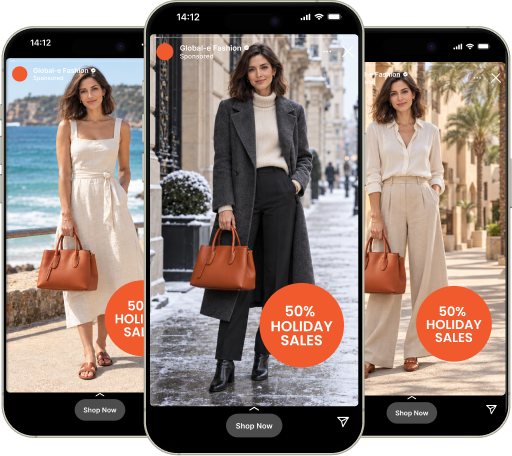
Localize your creative, not just your copy
A translated headline on a creative built for another market can feel foreign. Shoppers can tell when an offer wasn’t made with them in mind, and in a crowded holiday feed, they scroll past.
These four practices make the biggest difference:
Use the local name of the event
In the UAE, shoppers know Black Friday as White Friday. In Germany and the Nordics, Black Week is common. Using the local term signals that the offer was built for that market. Timing can differ, too. In some markets the promotion runs for a week or longer, so match your campaign dates to what local shoppers expect.
Localize the messaging within creative assets using AI
Holiday activity multiplies the number of assets you need, and AI makes localizing them far easier. Translate the text on one platform and QA it on a different one. Holiday messaging is usually simple, which makes translation easier and more accurate than at other times of year. Carry the same local messaging onto your website, such as the top banner or hero banner.
Match creative to the seasons
In southern hemisphere markets such as Australia, avoid snow, wintry scenes and sweaters. It’s summer there. Christmas is often celebrated outdoors, with barbecues and beach days, so feature summer products like swimwear, sandals and outdoor gear as gift ideas.
Work with local creators on UGC (user-generated content)
Local creators bring cultural nuance that is hard to replicate from headquarters. This includes gifting habits, holiday wish lists, “get ready for the holidays” moments, party season and local customs. Brief creators on the offer and key dates, then give them room to present it in their own voice.

Communicate delivery cut-off dates and return options
As Christmas approaches, build delivery and return information into your campaign messaging. These messages build trust and can significantly boost conversion rates.
Show a delivery cut-off date in your ads for each market
Highlight guaranteed delivery windows to create urgency and reassure shoppers that their orders will arrive on time. Where available, promote express shipping to capture last-minute buyers.
Present international return options
Emphasize an easy, transparent process, and say clearly whether returns are free, to remove a potential purchase barrier. Extend the returns window for holiday orders, for example into late January, so gifts bought in November can still be exchanged.
Once cut-off dates have passed, test gift card ads
If you can no longer guarantee delivery before the holidays, test ads that push gift cards instead. Digital gift cards arrive instantly by email, so they can be sold right up to the day itself. Show the value in local currency, and remind shoppers that recipients can use them in the January sales.
Join the 1500+ brands who trust us with their business
Ensure compliance with local regulations
When you run campaigns in international markets or launch new marketing channels, make sure they comply with local laws and regulations.
Three areas worth checking before you launch are:
Data privacy and email marketing
In Europe, GDPR and related email marketing rules affect how you collect consent and use subscriber data. Check that your holiday email and remarketing campaigns meet local requirements in each market.
Influencer and sponsored-content disclosure
Influencer rules vary by market. In Germany, for example, influencers must use clear labels such as “#Anzeige” (advertisement) or “#Werbung” (advertising) when posting sponsored content. Brief local creators on the rules before they publish.
Country-specific rules on promotional language
Some markets restrict when you can use sales terminology. In France, sales are governed by the Code de commerce, which allows two periods a year. Outside those periods, use alternatives such as “promotion,” “reduction” or “special price.” The winter sales run from January 6 to February 2, 2027, and the summer sales begin in late June.
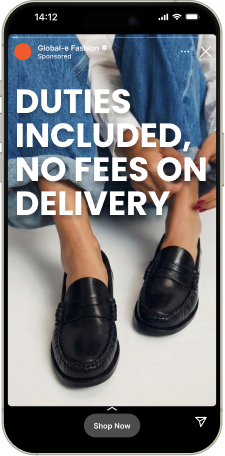
Make gifting worry-free
Protect gift recipients from paying duties at delivery. When an international order ships with duties unpaid, the person asked to pay at the door is the gift recipient. That is a poor experience for the person receiving your product.
Duties now apply to almost every international gift order.
- In the EU, the €150 duty exemption was removed in July, so this is the first holiday season in which low-value parcels carry a fixed customs duty and new handling fees. Our guide to EU customs reform covers what has changed and when.
- In the US, the de minimis threshold remains suspended, so duties apply to orders of any value. For the details by market, see our latest tariff updates.
Expert tip
“Advertising ‘Duties included, no fees on delivery’ is a strong holiday message. It removes a worry for the buyer and protects the recipient’s experience.”

Growth Marketing Lead
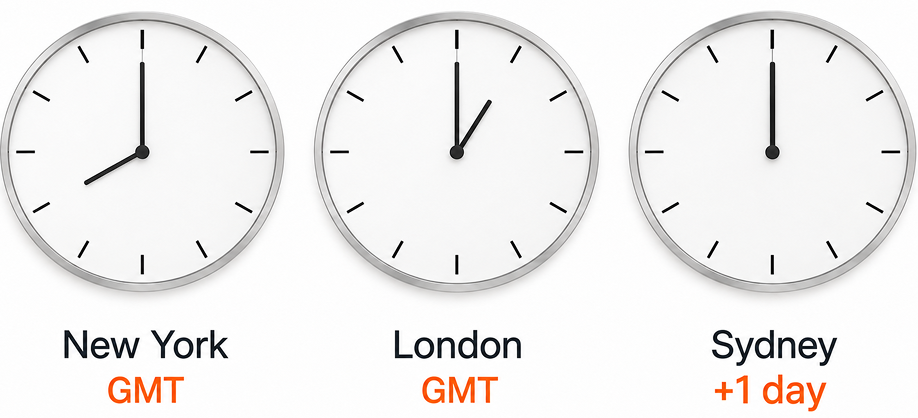
Plan around time zones for promotional launches
When running global campaigns, consider the time zones of your target markets. This is especially important for short promotions or key shopping days like Black Friday and Cyber Monday.
For example, a morning launch in U.S. Pacific time falls in the middle of the night in Australia, and on the next calendar day. If your campaign isn’t aligned with Australian time zones, shoppers in that market may miss out.
Even the time difference between Europe and New York may require consideration.
Expert tip
“Coordinating your campaign times with local peak hours helps ensure maximum relevancy, visibility and engagement across markets.”
Growth Marketing Lead
Analyze last year's performance to identify opportunities
Analyze the performance of previous campaigns where available or draw on broader market benchmarks and industry insights to answer three questions:
- Which markets performed best?
- Which channels drove sales?
- Which creatives worked?
Use those findings to allocate budget, choose assets, and prioritize key regions.
Combined, these learnings give you a solid foundation for your holiday e-commerce strategy, from estimating demand to uncovering new growth opportunities.
Align your campaign with stock planning
Align your marketing with your stock planning.
- A stock-out before your campaign ends can hurt performance and frustrate shoppers.
- Promoting unavailable products damages customer trust and reduces the likelihood of repeat purchases.
Coordinating stock with promotional activity protects both short-term results and long-term loyalty.
Plan for the post-Christmas tail in specific markets
Demand doesn’t stop on December 25. Shoppers who received gift cards or cash want to spend them, and people returning or exchanging gifts often buy something else while they’re at it.
Advertising costs often ease after Christmas as many brands pull back, so the budget you keep running can go further.
In several markets, key dates keep a long tail of extended demand going:
Christmas
Dec
Jan
Feb
Confirm that budgets and campaigns are in place for the markets where these dates matter to your shoppers, so you capture this demand instead of switching off after the peak.

Final Thoughts
The global holiday peak rewards brands that show up for each market on its own terms. That means the right event name, the right season, the right delivery date, and a gift that arrives without surprises. Small, local touches often make the biggest difference to how shoppers feel about your brand.
You don’t need to do everything at once. Pick the markets that matter most, apply the tips that fit, and measure what works.
Every campaign you run this season builds audiences and insights you can use to shape next year’s holiday e-commerce strategy.
Use this checklist to track where you stand, and here’s to a busy, successful peak, wherever your shoppers are.
Pre-peak checklist
0 of 10 done
Global-e for peak season
Put these tips into action across your markets
Hear how Global-e’s end-to-end solution makes selling internationally simpler.

Trusted by 1500+ brands worldwide
FAQs
When are Black Friday and Cyber Monday in 2026?
Black Friday falls on November 27, 2026, and Cyber Monday on November 30. Many retailers start promotions days or weeks earlier. In markets such as Germany and the Nordics, the event often runs for a full “Black Week.”
Is it too late to prepare my international holiday campaigns?
No. There’s still time for the changes that make the biggest difference. Confirm delivery cut-off dates for each market, set up ads in local languages and currencies, and get remarketing lists ready. Also plan gift card ads for after the shipping deadlines pass, and keep budget for the post-Christmas tail.
What are the biggest global shopping events of the holiday season?
The main Q4 dates are Singles’ Day (November 11), Black Friday and Cyber Monday (November 27–30), El Buen Fin in Mexico (November 13–17), Christmas, and Boxing Day (December 26). The season then extends into January winter sales and Lunar New Year.
How do I localize holiday campaigns for international markets?
Go beyond translation. Use the local name for each event, show prices in local currency, and match imagery to the local season. Show delivery dates and return options for each market and check local rules on advertising and promotions.
What does “duties included” mean, and why does it matter for holiday gifts?
It means the shopper pays all import duties and taxes at checkout (known as DDP, or Delivered Duty Paid). Without it, the recipient may be asked to pay fees at the door. For gifts, that’s a poor experience, so “duties included” is a strong reassurance message.
About the author
Director of Digital Marketing at Global-e
Ruth is a growth-focused marketing leader with expertise across both B2C and B2B audiences. She focuses on building scalable, data-driven programs that generate business growth across international markets.